Calcium
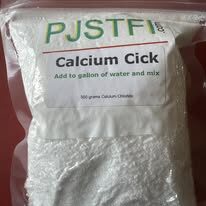
Supplement PJS Calcium Cick
15.00
PJS Strontium Element Pack
5.00
Calcium
UPDATED: October 2, 2025
Calcium (Ca) atomic number 20, is a MAJOR element and must be monitored and maintained while maintaining alkalinity and magnesium levels for the skeletal development and health of corals and invertebrates, it is used in skeletal and biological functions of all reef organisms in seawater. Calcium belongs to the alkaline earth metal group and is naturally found in seawater. In reef aquariums, maintaining proper calcium levels is imperative for healthy coral growth, utilization of other elements and supplementation will be necessary, especially in heavily stocked tanks.
Calcium Key Roles
Enhanced Coral Coloration:
Calcium supplementation enhances all colorations of corals.
Coralline Algae Growth:
Calcium is essential for the growth of coralline algae's, helping in Ph stability, which is what everyone wants for good reason. It is a great indicator of overall health of the reef tank; it outcompetes nuisance algae and the very visual wow factor.
Skeletal Growth:
Calcium is one of the main 5 building blocks working with magnesium, strontium, potassium and carbonate being incorporated into the aragonite skeletons of all stony corals and most all other reef critters.
Skeletal Density:
It helps corals maintain a robust skeletal structure, helping in preventing brittleness.
Cornerstone:
Calcium is the cornerstone building block, but requires carbonate to be usable and both require the proper level of magnesium to be present to remain in ionic suspension and bioavailable for use.
ALWAYS test calcium levels in your reef aquarium before supplementing to determine if dosing is needed to avoid overdosing.
Start slowly with a low, gradual dose over days avoiding any sudden shifts in water chemistry and monitor the effects. Confirm calcium is at proper level and monitor while adjusting calcium levels.
Best as a Daily dose, Dose slowly to avoid precipitating out other elements. Gradual adjustments, due to how calcium works with other elements. Rapidly growing corals will consume more calcium than slower-growing corals. Certain algae, particularly calcareous algae, also contribute to calcium consumption. Magnesium keeps the precipitation of calcium and carbonate in check, that white crust buildup on equipment. Adding calcium can slightly increase salinity, so it's important to monitor and adjust as needed. Maintaining a stable level within this range is more important than strict adherence to a specific number Issues with calcium and alkalinity, check your magnesium. High calcium levels will cause precipitation of carbonate and calcium as they start to react, making levels drop. Never dose calcium and alkalinity at the same time, they will react and precipitate out. Magnesium must be stable before any adjustments of calcium and alkalinity can be successfully done. As calcium uptake increases, all other elements also increase in proportion. The uptake of calcium is tied to the number of square inches of coral. larger corals: more surface: more consumption The uptake of calcium is equal to the uptake of Alkalinity. PJS Reef Moonshiners is set to that ratio.